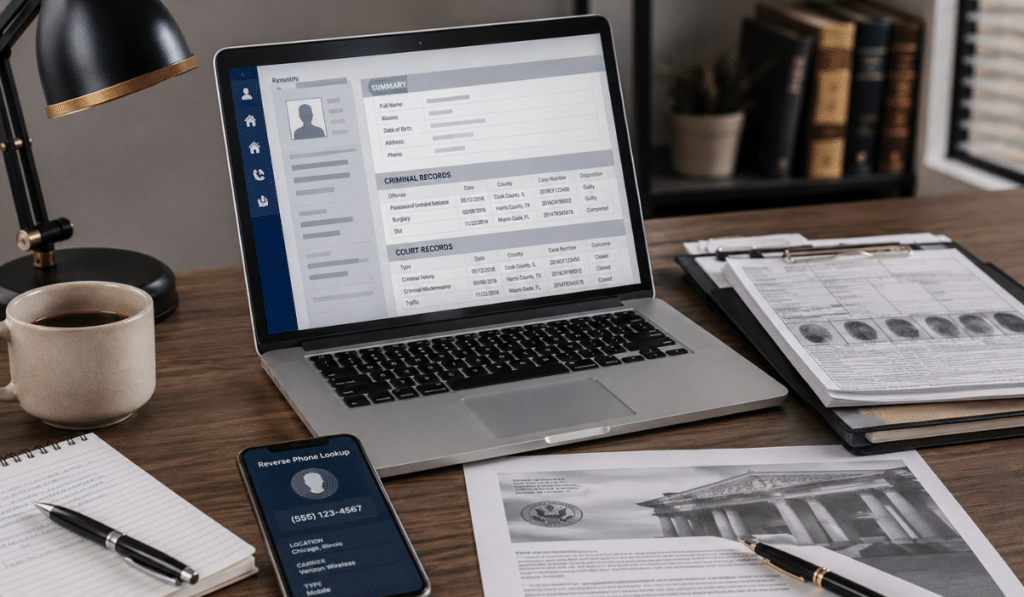
Criminal record search websites help people find publicly available information related to arrests, court cases, convictions, address history, and identity details. These platforms collect data from public databases and organize it into searchable reports.
People use these services for many reasons. Employers may want to verify a candidate’s background. Landlords often check tenant history before signing a lease. Online daters use people search tools to confirm identities. Journalists and investigators may review court records or public filings during research.
Many websites also combine criminal records with reverse phone lookup tools, address history, social media profiles, and known associates. That makes them useful for broader background research, not just criminal history checks.
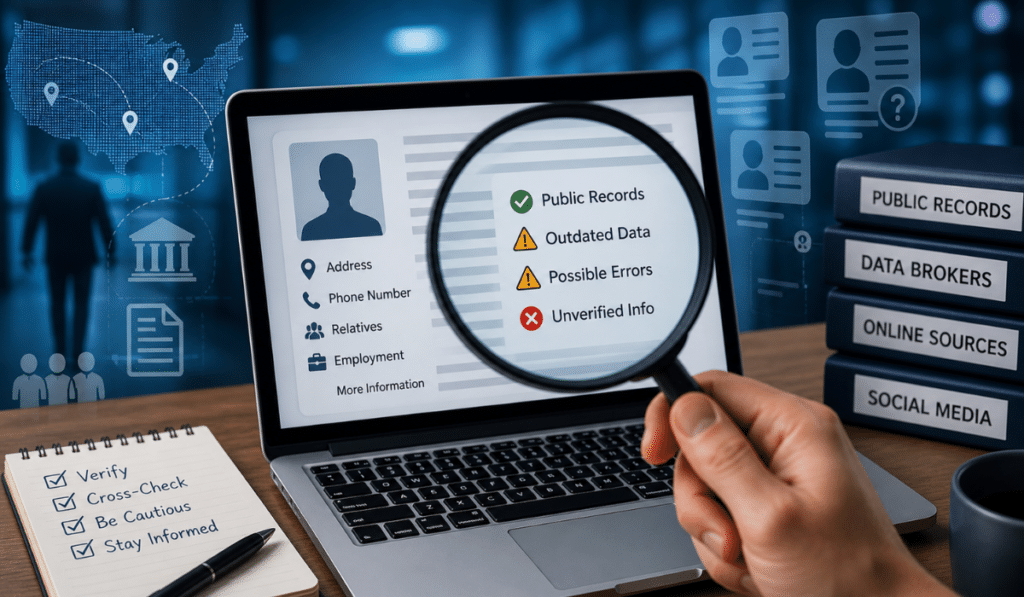
Still, criminal record search websites are not perfect. Public records availability differs by state and county in the United States. Some jurisdictions update records daily, while others update slowly or restrict public access altogether. Expunged or sealed records may also disappear from certain databases.
Users should also understand legal limitations. Most consumer people search websites are not approved for employment screening under the Fair Credit Reporting Act (FCRA). Using them to make hiring, credit, or housing decisions may violate federal law.
This guide compares the top criminal record search websites based on pricing, report quality, usability, search depth, and public records coverage.
How Criminal Record Search Websites Work
Most criminal history search tools collect information from public records databases across the United States. These records usually come from:
- County courts
- State criminal databases
- Department of corrections records
- Arrest logs
- Sex offender registries
- Traffic court systems
- Property records
- Civil court filings
The websites organize this information into searchable reports tied to a person’s name, phone number, address, or email.
Public Records Aggregation
Instead of searching hundreds of local government databases individually, users can search one website that aggregates data from multiple sources.
For example, a single report may include:
- Arrest records
- Court cases
- Address history
- Known relatives
- Phone numbers
- Social profiles
- Bankruptcy filings
- Marriage records
The convenience is the main reason people use these services.
Court Databases and County Records
Most criminal records originate at the county level. This creates inconsistency across databases because every county manages records differently.
Some counties provide online access. Others require manual requests. A few states restrict online criminal record access completely.
That is why one website may show records that another website misses.
Why Records Differ Between Websites
No criminal record search website has complete nationwide coverage.
Differences usually come from:
- Update frequency
- Licensing agreements
- County access restrictions
- Search algorithms
- Data partnerships
- Record removal policies
For example, one website may update arrest records weekly while another updates monthly.
Data Accuracy Limitations
Mistakes happen regularly in online criminal records searches.
Common problems include:
- Duplicate names
- Outdated addresses
- Incorrect age matches
- Old dismissed charges
- Missing case outcomes
People should always verify important findings through official court systems or government agencies before making decisions.
Factors Used to Compare These Websites
Not every criminal history search tool works the same way. Some focus on detailed reports. Others prioritize affordability or quick searches.
Here are the main factors used in this comparison.
Search Accuracy
Accurate identity matching matters. Common names can generate incorrect records if databases rely only on first and last names.
The best criminal background check sites use:
- Middle names
- Date of birth matching
- Address history
- Phone number verification
Database Coverage
Coverage varies heavily between providers.
Some websites focus mainly on:
- Criminal records
- Court filings
- Arrest data
Others combine broader public records data.
Coverage also differs by state.
Pricing
Most background check websites use subscription pricing rather than pay-per-report systems.
Monthly plans generally range from:
- $1 trial offers
- $20–$40 monthly subscriptions
- Additional premium report fees
Some websites advertise free searches but charge to unlock full reports.
Speed
Search speed affects usability.
Some websites generate reports within seconds. Others take several minutes while compiling data from multiple sources.
User Experience
Clean interfaces make searches easier, especially on mobile devices.
Good search tools should allow users to:
- Filter results
- Confirm identity matches
- Navigate reports clearly
- Export or save records
Free vs Paid Access
Free criminal record search websites usually provide limited previews.
Users may see:
- Name
- Age
- City
- Possible relatives
Full criminal history access almost always requires payment.
Privacy Concerns
People search websites collect sensitive public information.
Users should review:
- Opt-out policies
- Data removal procedures
- Subscription cancellation terms
- Privacy practices
Report Depth
Some reports only show arrests and addresses.
Others include:
- Court judgments
- Bankruptcy filings
- Weapon permits
- Traffic violations
- Professional licenses
Depth varies widely across platforms.
Top 10 Criminal Record Search Websites Compared
1. TruthFinder
Overview
TruthFinder is one of the most recognized background check websites in the United States. It specializes in deep public records reports and identity searches.
Its reports often include criminal records, traffic violations, social media profiles, contact information, and address history.
Main Features
- Criminal records lookup
- Reverse phone lookup
- Dark web monitoring
- Address history
- Social media searches
- Court records access
Pros
- Detailed reports
- Strong search depth
- Good mobile experience
- Reverse phone reports are useful
Cons
- No truly free reports
- Monthly subscription required
- Reports may take time to generate
Pricing Information
TruthFinder usually operates on monthly subscription plans around $28–$35 per month depending on promotions.
Best Use Case
Best for users who want comprehensive background reports with broad public records coverage.
Free Searches Available?
Yes, limited previews are available before payment.
2. Instant Checkmate
Overview
Instant Checkmate focuses heavily on criminal records and background searches.
The platform is commonly used for identity verification and online dating safety checks.
Main Features
- Arrest records search
- Inmate records
- Court records
- Sex offender registry checks
- Reverse phone lookup
Pros
- Strong criminal records focus
- Simple search interface
- Fast report generation
Cons
- Higher pricing than some competitors
- Some records may be outdated
- Subscription upsells
Pricing Information
Plans commonly range from $28–$35 monthly.
Best Use Case
Best for users searching specifically for criminal history information.
Free Searches Available?
Basic previews only.
3. BeenVerified
Overview
BeenVerified combines public records searches with identity verification tools.
It is popular because the interface is easy for non-technical users.
Main Features
- Criminal records
- Contact information
- Vehicle lookup
- Username search
- Reverse email lookup
Pros
- Easy to navigate
- Mobile apps available
- Good report organization
Cons
- Some advanced data costs extra
- Limited free information
Pricing Information
Monthly subscriptions typically start around $27 per month.
Best Use Case
Best for casual users performing personal background research.
Free Searches Available?
Limited previews available.
4. Spokeo
Overview
Spokeo focuses more on identity aggregation than deep criminal reporting.
It combines public records with social media and marketing data.
Main Features
- Reverse phone lookup
- Address history
- Social profile aggregation
- Family member searches
Pros
- Affordable entry pricing
- Good contact data
- Fast searches
Cons
- Less detailed criminal reports
- Limited court data compared to competitors
Pricing Information
Pricing often starts below $20 monthly.
Best Use Case
Best for locating people and verifying identities.
Free Searches Available?
Yes, partial previews.
5. PeopleFinders
Overview
PeopleFinders has been operating for decades and offers broad public records access.
The service includes both subscription plans and one-time report purchases.
Main Features
- Criminal records
- Public records lookup
- Reverse phone search
- Property records
Pros
- Pay-per-report options
- Large database
- Long operating history
Cons
- Interface feels dated
- Reports vary in depth
Pricing Information
One-time reports often start around $10–$20.
Best Use Case
Best for occasional users who do not want subscriptions.
Free Searches Available?
Yes, basic search previews.
6. Intelius
Overview
Intelius offers broad people-search functionality with criminal history reporting.
It is widely used for address verification and contact searches.
Main Features
- Criminal records
- Address history
- Reverse phone lookup
- Public records access
Pros
- Strong identity matching
- Flexible pricing offers
- Large records database
Cons
- Extra charges for some reports
- Aggressive subscription marketing
Pricing Information
Typical monthly pricing ranges from $25–$35.
Best Use Case
Best for combined people searches and criminal record research.
Free Searches Available?
Partial searches only.
7. US Search
Overview
US Search is one of the older public records websites online.
It focuses primarily on people lookup services.
Main Features
- Criminal background reports
- Address history
- Phone lookup
- Public records search
Pros
- Straightforward interface
- Reliable address history data
Cons
- Fewer advanced search tools
- Reports less detailed than premium competitors
Pricing Information
Pricing generally starts near $20 monthly.
Best Use Case
Best for basic people search and contact verification.
Free Searches Available?
Yes, limited previews.
8. PeopleLooker
Overview
PeopleLooker emphasizes ease of use and simplified reports.
The platform appeals to users unfamiliar with public records research.
Main Features
- Criminal records search
- Reverse phone lookup
- Email search
- Address history
Pros
- Beginner-friendly interface
- Mobile optimized
- Fast reports
Cons
- Not ideal for deep investigations
- Limited advanced filtering
Pricing Information
Usually around $20–$25 monthly.
Best Use Case
Best for casual personal background searches.
Free Searches Available?
Limited previews only.
9. CheckPeople
Overview
CheckPeople provides fast public records searches with an emphasis on criminal history reports.
Main Features
- Arrest records search
- Court records
- Contact details
- Reverse phone search
Pros
- Quick search speeds
- Good criminal record summaries
- Easy report navigation
Cons
- Limited free information
- Subscription model
Pricing Information
Monthly plans generally fall between $20–$30.
Best Use Case
Best for quick criminal background checks.
Free Searches Available?
Only limited previews.
10. FamilyTreeNow
Overview
FamilyTreeNow is known for offering free people search tools and address history data.
Unlike many paid competitors, it allows users to access a surprising amount of information without subscriptions.
Main Features
- Free people search
- Address history
- Relative lookup
- Public records access
Pros
- Free search access
- Useful genealogy connections
- No mandatory subscription
Cons
- Limited criminal record depth
- Fewer premium investigation features
- Some outdated records
Pricing Information
Most searches are free.
Best Use Case
Best for free people searches and address history lookups.
Free Searches Available?
Yes, extensive free searches compared to most competitors.
Comparison Table
| Website | Pricing | Free Search | Criminal Records | Court Records | Reverse Phone Lookup | Address History | Ease of Use |
|---|---|---|---|---|---|---|---|
| TruthFinder | $$ | Partial | Yes | Yes | Yes | Yes | High |
| Instant Checkmate | $$ | Partial | Yes | Yes | Yes | Yes | High |
| BeenVerified | $$ | Partial | Yes | Yes | Yes | Yes | Very High |
| Spokeo | $ | Partial | Limited | Limited | Yes | Yes | Very High |
| PeopleFinders | $$ | Partial | Yes | Yes | Yes | Yes | Medium |
| Intelius | $$ | Partial | Yes | Yes | Yes | Yes | High |
| US Search | $ | Partial | Yes | Limited | Yes | Yes | Medium |
| PeopleLooker | $ | Partial | Yes | Limited | Yes | Yes | High |
| CheckPeople | $$ | Partial | Yes | Yes | Yes | Yes | High |
| FamilyTreeNow | Free | Yes | Limited | Limited | No | Yes | High |
Free vs Paid Criminal Record Search Websites
What Free Sites Can Realistically Provide
Free criminal record search tools usually provide limited public information.
Users commonly see:
- Full names
- Cities
- Age ranges
- Known relatives
- Previous addresses
Some free public records websites also provide partial arrest or court information.
Why Paid Reports Are More Detailed
Paid services spend money collecting and organizing data from multiple public records systems.
That often includes:
- Court databases
- Archived records
- Commercial data partnerships
- Identity matching systems
Paid reports also combine records into easier-to-read formats.
Common Limitations of Free Searches
Free searches often suffer from:
- Outdated records
- Missing counties
- Limited criminal data
- Poor identity matching
- No report exports
Many “free” websites also require payment before showing detailed records.
Are Criminal Record Search Websites Legal?
Yes, criminal record search websites are generally legal in the United States because they use public records.
However, legality depends heavily on how the information is used.
FCRA Compliance
Many people search websites are not FCRA-compliant.
That means users should not use them for:
- Employment decisions
- Tenant screening
- Credit eligibility
- Insurance evaluations
Employers needing legal employment background checks should use FCRA-compliant screening companies instead.
Public Record Laws
Public record access laws vary by state.
Some states restrict access to:
- Mugshots
- Certain court records
- Juvenile records
- Expunged cases
Availability also changes at the county level.
Responsible Usage
Users should avoid:
- Harassment
- Doxxing
- Discrimination
- False accusations
Public records databases can contain errors or incomplete information.
Tips for Using Criminal Record Search Websites
Verify Information with Official Sources
Always confirm serious findings through:
- County courts
- State court portals
- Government agencies
Online databases are useful starting points, not final legal proof.
Cross-Check Multiple Databases
No single website contains every record.
Comparing results across multiple platforms improves accuracy.
Understand Outdated Records
Some websites retain old records long after cases are dismissed or resolved.
Always check case dates and outcomes carefully.
Watch for Subscription Billing
Many background check websites use recurring subscriptions.
Users should review:
- Trial terms
- Billing cycles
- Cancellation policies
before entering payment details.
Conclusion
Criminal record search websites make it easier to access public records without searching dozens of local court databases manually. Whether someone is verifying an online identity, checking address history, reviewing court records, or researching criminal background information, these platforms can save time and organize large amounts of data into readable reports.
Each website serves a slightly different purpose.
TruthFinder and Instant Checkmate are better suited for users who want deeper criminal history reports and detailed background information. BeenVerified and PeopleLooker work well for everyday users who prefer simple interfaces and fast searches. Spokeo focuses more on identity verification, contact information, and social profile matching. PeopleFinders and Intelius are useful for broader public records research, while FamilyTreeNow remains one of the better options for free people search and address history lookups.
No criminal history search tool is completely accurate or complete. Public records availability differs across states and counties, and databases update at different speeds. Users should always verify important information through official court systems or government agencies before making legal, employment, housing, or financial decisions.
Choosing the best criminal record search website depends on what information you need, how often you plan to search, and whether you prefer free access or more detailed paid reports.
Frequently Asked Questions
1. Are criminal record search websites accurate?
They can be useful, but accuracy varies. Public records databases may contain outdated information, duplicate identities, or missing court updates. Important findings should always be verified through official government sources.
2. Can I perform a free criminal record search online?
Yes, but free searches are usually limited. Most free websites only provide basic identity information while charging for detailed criminal history reports.
3. Are arrest records public in every state?
No. Public access laws differ by state and county. Some jurisdictions restrict online arrest records or remove them after certain legal outcomes.
4. Can employers use people search websites for hiring decisions?
Most consumer people search websites are not FCRA-compliant. Employers should use approved employment screening providers for hiring decisions.
5. Do criminal record websites show expunged records?
Usually expunged or sealed records should not appear in public databases, but outdated data sometimes remains online temporarily.
6. Can these websites show mugshots?
Some platforms include mugshots if they are publicly available from law enforcement or county jail databases.
7. Why do different websites show different records?
Every platform uses different public records sources, update schedules, and identity matching systems.
8. Is FamilyTreeNow completely free?
FamilyTreeNow provides more free information than many competitors, especially for people searches and address history, though it may not offer the same criminal report depth as paid services.

I am Sandy Saga, the writer and content researcher behind FamilyTreeNow.net. I create clear, easy-to-understand informational content related to family history, people search resources, genealogy topics, and public information awareness. My goal is to help readers understand how online search tools and family research resources work in a simple and responsible way.
The content on FamilyTreeNow.net is published strictly for informational and educational purposes only. I focus on providing accurate, transparent, and reader-friendly information to help users explore and learn. This website does not offer official records, legal advice, or professional services — it exists solely as an independent informational resource.