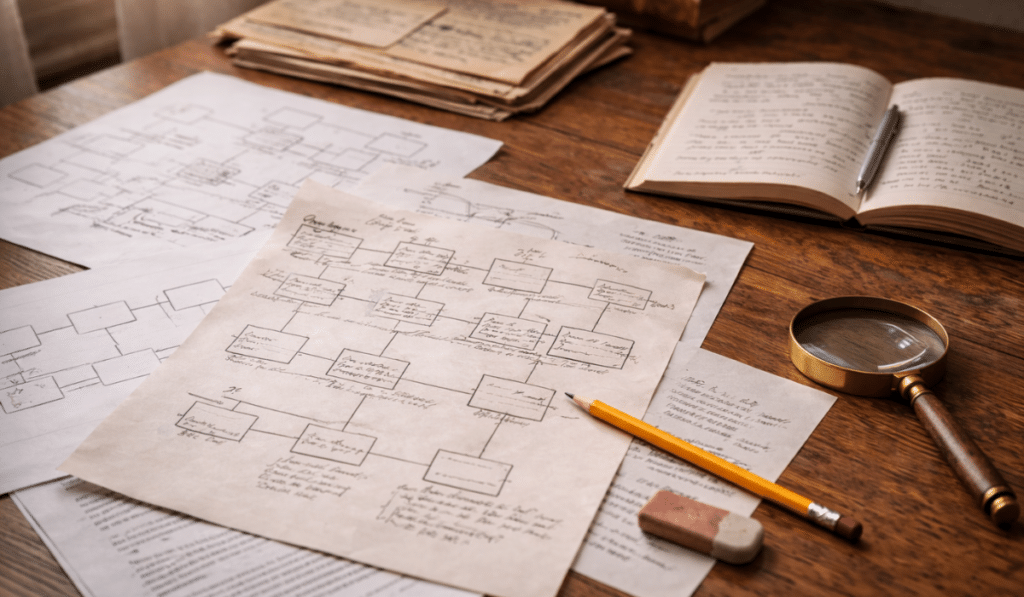

Many people today turn to online records when trying to learn more about their family history, reconnect with relatives, or better understand family connections. It is common for people search websites and public record databases to display a section labeled “possible relatives.” While this information can be helpful, it can also be confusing—especially when unfamiliar names appear alongside known family members.
Possible relatives are not always confirmed family members. Instead, they are typically individuals connected through shared public records, such as past addresses, family associations, or legal documents. Understanding how these connections are formed and how to verify them correctly is important for anyone researching family history or confirming relationships.
This guide explains how possible relatives appear in online records, how public records connect individuals in the United States, and the practical steps you can take to confirm whether a listed relative is truly part of your family.
Why Possible Relatives Appear Online
Online people search platforms organize information from publicly available records. These records often contain connections between individuals, such as shared residences, marriage records, or family listings in official documents. When multiple people appear connected within these records, databases may identify them as possible relatives.
Several common situations lead to these associations:
- Individuals who have lived at the same address
- Family members listed together in public filings
- Marriage or divorce records linking households
- Property ownership or inheritance records
- Historical census or voter registration data
Because these associations are based on patterns rather than confirmed family relationships, a possible relative may be a spouse, sibling, parent, cousin, or even a former roommate or unrelated individual who once shared an address.
Understanding this distinction is essential before drawing conclusions about family connections.
How Public Records Link Individuals
Public records in the United States are created by government agencies during routine legal and administrative processes. These records are considered public because they serve transparency, legal documentation, or administrative purposes.
When people interact with government systems—such as registering property, getting married, voting, or appearing in census records—their information may become part of the public record.
Common record types that help link individuals include:
Address History Records
When multiple individuals are listed at the same residential address over time, databases may infer a relationship between them. Families often share addresses, which makes this one of the most common sources of possible relative matches.
Marriage and Divorce Records
Marriage licenses and divorce filings formally connect two individuals and may also reference family members.
Property and Ownership Records
Property deeds sometimes include spouses or family members as co-owners, creating documented associations.
Census and Historical Records
Census data historically recorded household members together, making it useful for identifying family structures.
Court and Probate Records
Inheritance and estate filings may list family members, heirs, or beneficiaries.
Online databases aggregate these connections to generate possible relative listings, but the relationships themselves are not always verified.
Methods to Confirm Relationships
Verifying possible relatives requires reviewing multiple sources rather than relying on a single listing. The goal is to confirm whether independent records support the same relationship.
1. Compare Address Histories
Start by reviewing address timelines. If two individuals lived at the same address during the same period, this may indicate a family connection. However, shared addresses alone are not proof, as roommates and unrelated tenants may also appear together.
Look for patterns such as:
- Long-term shared residence
- Shared addresses during childhood years
- Consistent address overlap across multiple records
2. Review Marriage and Family Records
Marriage records can confirm spousal relationships and sometimes provide information about parents or witnesses who may also be relatives. Divorce records can also clarify past family connections.
3. Cross-Check Multiple Records
Reliable confirmation usually comes from multiple independent records supporting the same connection. For example:
- Address history + marriage record
- Property ownership + census listing
- Obituary or probate record listing family members
When several sources point to the same relationship, confidence in accuracy increases.
4. Use Family Tree Information Carefully
Family trees and genealogy records can provide helpful clues but should be verified against official records whenever possible. User-submitted family trees may contain errors or assumptions.
5. Confirm Through Known Family Information
Compare names, ages, locations, and known family details. Matching surnames, generational patterns, and geographic consistency can help confirm relationships.
What Information May Be Available
The type of information available depends on the records involved. In many cases, online records may include:
- Full names and known aliases
- Current and previous addresses
- Age ranges or birth years
- Marriage associations
- Property ownership history
- Possible household members
- Historical residence information
Not all records contain complete information, and availability varies by state and record type. Some records may also be partially redacted for privacy reasons.
Common Challenges and Mistakes
Researching family connections through public records can present challenges. Understanding common issues helps avoid incorrect conclusions.
Assuming All Possible Relatives Are Family
The most common mistake is assuming every listed person is a confirmed relative. Databases rely on associations, not verified family trees.
Similar Names Causing Confusion
Individuals with common names may be incorrectly linked, especially in large cities or across multiple states.
Outdated Information
Public records may not always reflect recent changes such as moves, marriages, or name changes.
Ignoring Context
A shared address during a short period may indicate roommates rather than relatives. Context and timelines matter.
Relying on a Single Source
Accurate verification requires comparing multiple records.
Privacy and Legal Considerations
Public records in the United States are legally accessible because they serve public and administrative purposes. However, responsible use of this information is important.
People search websites and public record databases generally compile information from publicly available sources and are intended for informational purposes only. These records should not be used for employment screening, tenant screening, credit decisions, or other purposes covered by the Fair Credit Reporting Act (FCRA).
Additionally:
- Not all information is guaranteed to be accurate or current.
- Individuals may request removal or correction of certain information from databases.
- Respecting privacy and using information responsibly helps maintain ethical research practices.
When researching family connections, the goal should be understanding family history rather than making assumptions about individuals.
Conclusion
Possible relatives listed in online records can be a valuable starting point for understanding family connections, but they should always be approached with careful verification. Public records help reveal associations between individuals, yet confirming true family relationships requires reviewing multiple sources and understanding how those records were created.
By comparing records, checking timelines, and considering context, individuals can build a clearer and more accurate picture of their family connections. If you are beginning your research, starting a family record search can be an effective first step toward discovering and confirming meaningful family relationships.
FAQs
What does “possible relative” mean in online records?
It refers to individuals connected through shared public records or associations, not necessarily confirmed family members.
Are possible relatives always accurate?
No. They are based on data associations and may include unrelated individuals who shared addresses or records.
How can I confirm if someone is truly a relative?
Cross-check multiple records such as address history, marriage records, and property records to confirm consistent connections.
Why do unfamiliar people appear as relatives?
This often happens due to shared residences, similar names, or historical record associations.
Can public records show extended family members?
Yes, in some cases records may reveal extended relatives through inheritance records, census listings, or shared family documents.

I am Sandy Saga, the writer and content researcher behind FamilyTreeNow.net. I create clear, easy-to-understand informational content related to family history, people search resources, genealogy topics, and public information awareness. My goal is to help readers understand how online search tools and family research resources work in a simple and responsible way.
The content on FamilyTreeNow.net is published strictly for informational and educational purposes only. I focus on providing accurate, transparent, and reader-friendly information to help users explore and learn. This website does not offer official records, legal advice, or professional services — it exists solely as an independent informational resource.